
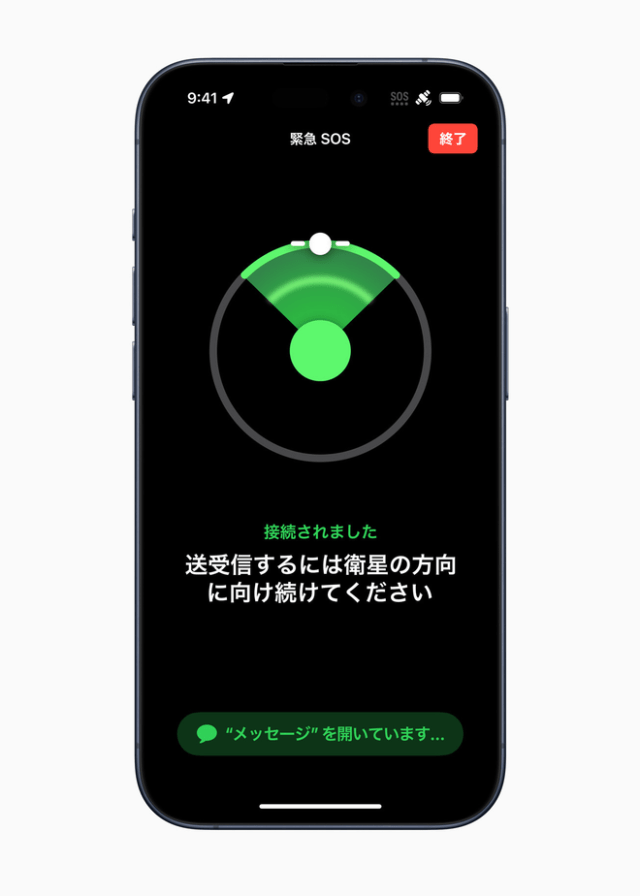
Satellite connectivity in smartphones is entering a critical growth phase, with Non-Terrestrial Network (NTN)-capable devices projected to account for 46% of global smartphone shipments by 2030, according to Counterpoint Research’s latest Smartphone Satellite Connection Report. Proprietary solutions will drive the market in the near term as 3GPP NTN faces challenges around chipset readiness, operator certification and service maturity. Apple was the first mainstream smartphone brand to offer satellite connectivity by partnering with Globalstar for the iPhone 14 in 2022. The recent acquisition of Globalstar by Amazon provides immediate scale and opens up a new revenue stream for Amazon around connectivity-as-a-service. Huawei was the second player to bring satellite connectivity to smartphones in 2023, and now more than 10 brands are offering it in smartphones.
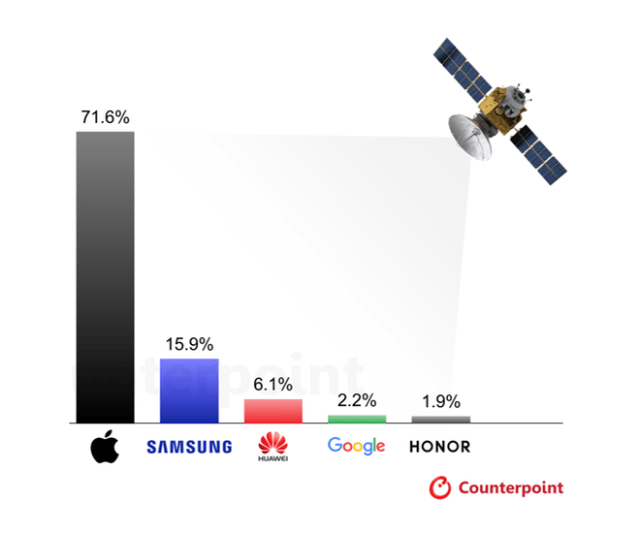
Commenting on the smartphone OEM dynamics, Principal Analyst Soumen Mandal said in a statement, “Apple remains the leading smartphone OEM in terms of NTN-capable smartphone shipments, while Samsung leads the Android ecosystem. Similar to Apple, Huawei and Google follow the proprietary NTN approach. Other Android players, including Samsung, Xiaomi, OPPO, HONOR and vivo, have aligned with 3GPP NTN to enable broader scalability and interoperability.” The satellite smartphone market is mostly driven by the premium segment, but the lack of killer use cases is limiting mass adoption. 3GPP Release 17-based use cases are limited to SOS and messaging. While 3GPP Release 18 will help further adoption across brands in the premium segment, mass adoption in the mid-price segment is expected only with Release 19. Commenting on the satellite smartphone SoC market competitive landscape, Senior Analyst Shivani Parashar said in a statement, “Qualcomm has been at the forefront among Android chipset players in enabling satellite connectivity through its Snapdragon X80 and X85 modems, followed by Huawei, Google and Samsung. MediaTek is also advancing NTN integration through its MT6825 5G SoC. More participation from chipset players will increase competition while potentially helping scalability.” The partnerships entered into by North American telecom players, such as T-Mobile with SpaceX, AT&T with AST Mobile and Rogers with SpaceX, along with Apple’s tie-up with Globalstar, have helped bring satellite connectivity to smartphones, making North America an early leader in the field. Though telecom operators in other regions, like Europe and China, are not rushing to offer satellite connectivity, satellite operators are increasing capacity to cater to the mass market. Commenting on the satellite smartphone market outlook, Research Vice President Peter Richardson said in a statement, “Nearly one in two smartphones is expected to support satellite connectivity by 2030. Apple, Google and Samsung will lead in terms of overall penetration, but Android brands targeting the entry and mid-price segments will see less penetration. Satellite offerings by more Android players and telecom operators beyond developed markets will play a key role in accelerating global adoption.” The satellite smartphone connectivity space is expected to create opportunities across the entire ecosystem, including smartphone OEMs, SoC vendors, component players, telecom operators and satellite operators. Beyond this, it will also unlock new service models and bundled offerings, where companies like Amazon could integrate satellite connectivity into platforms such as Amazon Prime to enhance the overall consumer experience. However, the pace of growth will depend on the collaboration of ecosystem players to solve issues such as design and cost constraints, limited use cases, regulatory complexities and network immaturity, Counterpoint says. MacDailyNews Take: Even though Apple picked the wrong satellite communications partner, the strength of iPhone and the first-mover advantage spell total domination. iPhone’s ecosystem power, software polish, and sheer volume turn even a “suboptimal” satellite tie-up into market-crushing dominance. With Amazon now stepping in via Globalstar, Apple’s moat will only widen. Never bet against the iPhone. Strength, timing, and execution beat “perfect” partnerships every single time. See also: Support MacDailyNews at no extra cost to you by using this link to shop at Amazon. The post Apple iPhone dominates satellite-connected smartphone market with 71.6 percent share appeared first on MacDailyNews. Invite your friends and earn rewards
If you enjoy MacDailyNews, share it with your friends and earn rewards when they subscribe.
|




No comments:
Post a Comment