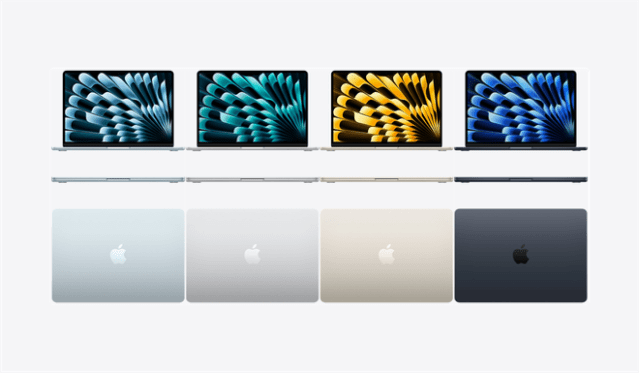
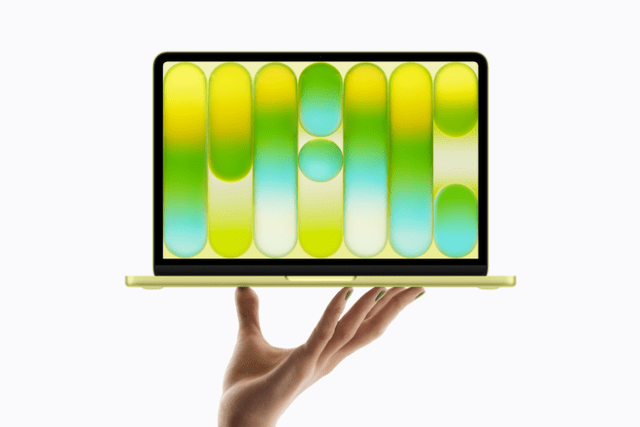
Apple’s MacBook Neo, priced at $599 (or an irresistible $499 for education buyers), isn’t a threat to the MacBook Air, it’s the perfect on-ramp that will drive more Air sales over time. Far from cannibalizing higher-margin models, the Neo expands Apple’s total Mac user base and sets up natural upgrades to the Air through deliberate, smart segmentation.
The Neo is engineered as a high-volume device aimed squarely at the sub-$600 market: students, families, first-time Mac buyers, and switchers from Chromebooks or cheapo Windows PC laptops. It delivers premium touches—aluminum build, Liquid Retina display, fanless A18 Pro chip, 16-hour battery life, full macOS Tahoe, and Apple Intelligence at a price no competitor can match with comparable quality. This pulls millions into the Apple ecosystem who might never have considered a Mac otherwise. But Apple didn’t make the Neo a watered-down Air, the company created key compromises keep it distinct and create clear upgrade paths: • 8GB unified memory (fixed, no upgrade option) vs. 16GB standard on the Air M5 • A18 Pro (mobile-derived, excellent for everyday tasks) vs. full desktop-class M5 with more cores and better sustained performance • The Air retains brighter/wider-gamut display, Thunderbolt support, consistent premium build, and connecting up to two external displays, including Studio Display These differences shine for light-to-moderate use such as browsing, streaming, docs, basic AI, but become obvious limitations as workloads grow: college projects ramp up, creative apps enter the picture, or users want future-proofing. That’s when the MacBook Air (starting at $1,099 with 16GB/512GB base after recent updates) becomes the natural, irresistible next step. Once users are hooked on macOS — Continuity, Handoff, iPhone Mirroring, Apple Intelligence, and seamless services — upgrading will feel like enhancement, not replacement. The Neo acts as the gateway: capture the low end to grow the ecosystem, defend against cheap rivals, then funnel growing users upward to higher-margin Air (and eventually MacBook Pro) models. History backs this up: M1-era entry points expanded the Mac audience without shrinking premium demand. Ahead of release, analysts projected the Neo could add 5–7 million units annually to Apple’s lineup, feeding the pipeline rather than draining it. So, the MacBook Neo isn’t competition for the Air, it’s the feeder road that leads buyers straight to it. More new Mac users today means more Air upgrades tomorrow. The Neo doesn’t steal sales, it supercharges them. MacDailyNews Take: Imagine this scenario in an Apple Store soon: A budget-conscious shopper (perhaps a student, parent, or first-time Mac buyer) heads straight to the dedicated MacBook Neo table, drawn by the eye-catching $599 price tag and cool colors. They open the lid, marvel at the premium aluminum feel, test the Liquid Retina display for crisp browsing, and type on the Magic Keyboard, feeling the instant appeal of macOS Tahoe and Apple Intelligence features at half the cost of competitors. But, then they wander over to the MacBook Air display nearby and start comparing side-by-side. The Air’s brighter, wider-gamut screen pops more vividly; the backlit keyboard and haptic trackpad feel noticeably more refined; the two Thunderbolt 4 ports (vs. Neo’s mixed USB 3/USB 2) promise faster transfers and better external display support; and the Apple store person casually mentions the standard 16GB unified memory (double the Neo’s fixed 8GB) for smoother multitasking as apps and AI tools demand more. Suddenly, the $500 gap feels less like an expense and more like an investment in future-proofing (especially when the shopper imagines handling college projects, light editing, or family photo libraries without hitting limits). In minutes, what started as a “just checking out the cheap one” visit turns into an upsell: They walk out with a MacBook Air instead, hooked by the tangible premium upgrades right in front of them. Apple’s segmentation shines here as the Neo lures them in with unbeatable entry-level value, but the in-store hands-on comparison naturally nudges many toward the Air for that extra capability and polish they didn’t realize they wanted until they saw and felt it. Support MacDailyNews at no extra cost to you by using this link to shop at Amazon. The post Apple’s MacBook Neo will supercharge MacBook Air sales appeared first on MacDailyNews. You're currently a free subscriber to MacDailyNews. For the full experience, upgrade your subscription.
|
Wednesday, March 4, 2026
Apple’s MacBook Neo will supercharge MacBook Air sales




Subscribe to:
Post Comments (Atom)
Apple’s touchscreen MacBook to sport M5 Pro and M5 Max, with M7 models to follow
Apple is bringing touch to its premium laptops. ͏ ͏ ͏ ͏ ͏ ͏ ͏ ͏ ͏ ͏ ͏ ͏ ͏ ...

-
Apple TV+ has signed a new multi-year, first-look feature film deal with The North Road Company’s Chernin Entertainment, the flagship… ͏ ...
-
Thank you for reading MacDailyNews. As a token of our appreciation, we're offering you a limited-time offer of 20% off a paid subscript...
-
Apple, aiming push more urgently into the smart home market, is said to be nearing the launch of a new product category: a wall-mounted disp...


No comments:
Post a Comment