Apple is raising the price of Apple TV in the United States, lifting the standalone monthly plan from $12.99 to $14.99 and the annual plan from $99 to $119. The Individual Apple One bundle is going up as well, from $19.95 to $21.95 a month. Family and Premier Apple One plans are unchanged this time. The new rates take effect immediately for new subscribers as of Friday, August 28, 2026. Existing customers will get about a month’s notice before they are charged the higher amount. MacRumors reports that Apple TV prices also rose today in Brazil, Chile, and Mexico, with no other countries listed as affected. This is the fourth U.S. price increase for the service since it launched in 2019 at $4.99 a month as Apple TV+. Subsequent jumps took it to $6.99 in 2022, $9.99 in 2023, and $12.99 in August 2025. The monthly price has now tripled from launch. The move comes weeks after Apple raised Apple Music and the Family and Premier Apple One tiers in July. That earlier round left the Individual Apple One plan untouched; today’s Apple TV increase is what finally pushed that cheapest bundle higher. Apple has spent the past year expanding what a standard Apple TV subscription includes. Formula 1 races in the U.S. are now part of the regular plan after an exclusive broadcast deal announced last October. Major League Soccer, previously sold as a separate Season Pass, was folded into the main subscription earlier this year. Live sports sit alongside a growing slate of originals, including the record-setting return of Ted Lasso Season 4, the Season 2 premiere of Dark Matter, and Slow Horses Season 6 arriving in mid-September. Even after the hike, Apple TV remains cheaper than many ad-free rivals. Netflix’s standard ad-free plan is $19.99 a month (premium is higher), Disney+ with Hulu is around $19.99, and HBO Max’s ad-free tiers sit in the high teens to low twenties. Paramount+ is still a dollar cheaper on its comparable plan. Apple’s catalog is smaller than Netflix or Disney’s, but the company has leaned on a higher hit rate for prestige series rather than a vast library. The timing fits a broader 2026 pattern. Netflix, YouTube Premium, Prime Video, and Peacock have all raised prices this year. Streaming services have treated annual or near-annual increases as routine while they add sports rights, returning hits, and higher production costs. Apple has not broken out Apple TV subscriber counts, but executives said in July that viewership hit an all-time high last quarter. • New sign-ups pay $14.99 a month or $119 a year starting today. • Current Apple TV and Apple One Individual customers should watch for an email roughly a month before renewal. • Apple One Family and Premier customers are not affected by this specific change. • Annual billing still works out to about $9.92 a month, versus $14.99 billed monthly. MacDailyNews Take: Whether $14.99 is a fair price depends on how much of the lineup a household actually watches. For viewers who mainly want F1, MLS, Severance, Silo, Slow Horses, and a strong lineup of other originals, the service is still priced below lower-quality rivals. For anyone stacking multiple streamers, another $24 a year is one more increment in a year already full of them. As always, as Apple One Premier subscribers, we recommend Apple One plans as the most cost-effective way to get Apple services like Apple TV and to make the most of your Apple devices. Support MacDailyNews at no extra cost to you by using this link to shop at Amazon. The post Apple TV climbs to $14.99 a month as Apple also ups Apple One Individual price appeared first on MacDailyNews. Invite your friends and earn rewards
If you enjoy MacDailyNews, share it with your friends and earn rewards when they subscribe.
|
Friday, August 28, 2026
Apple TV climbs to $14.99 a month as Apple also ups Apple One Individual price
Apple’s new Mac mini hides three details the keynote skipped
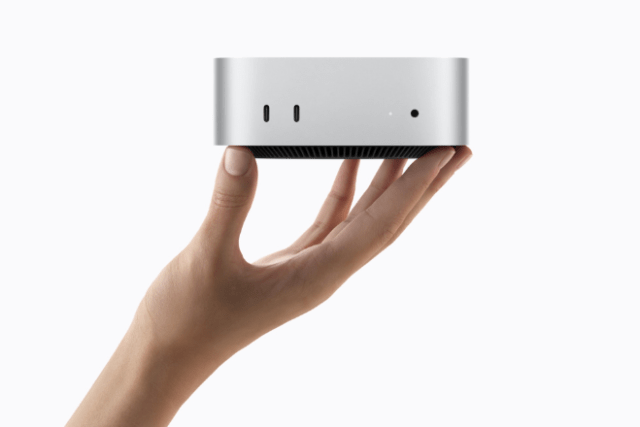
Apple unveiled a new Mac mini this week with M6 and M5 Pro options, but the announcement left a few important specs offstage. According to 9to5Mac’s Ryan Christoffel, three details buried in the fine print could matter more to buyers than the headline upgrades. First, memory bandwidth is not the same across every M6 configuration. The base model with 16GB of unified memory is listed at 153GB/s. Step up to 24GB or 32GB and that figure rises to 170GB/s. The top bandwidth of 307GB/s still requires the M5 Pro chip. Every option is faster than the previous M4 Mac mini, Christoffel notes, but the RAM choice now affects more than just capacity. Second, the new Mac mini includes Apple’s N1 wireless chip. Apple promoted Wi-Fi 7 and Bluetooth 6 during the event — clear upgrades from the M4 model’s Wi-Fi 6E and Bluetooth 5.3. What it did not spotlight is Thread support, which arrives with the N1. Thread has been on iPhone since the iPhone 15 Pro and is used for smart-home accessories and automation. It is new to the Mac mini. Third, the machine ships with macOS 27 Golden Gate already installed. That is not spelled out on Apple’s product pages, but the company confirmed it to John Gruber. The Mac mini does not ship until September 22, after macOS 27 is expected around September 14, so the preload is not a surprise. Anyone who prefers to delay major OS upgrades should plan accordingly. Pre-orders start at $899. Support MacDailyNews at no extra cost to you by using this link to shop at Amazon. The post Apple’s new Mac mini hides three details the keynote skipped appeared first on MacDailyNews. You're currently a free subscriber to MacDailyNews. For the full experience, upgrade your subscription.
© 2026 MacDailyNews |
Thursday, August 27, 2026
IDC expects Apple to ship more than 10 million foldable iPhones in first year
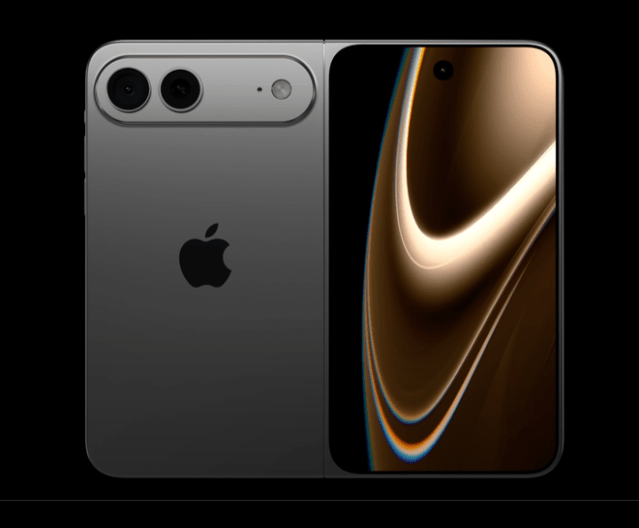
Apple’s first foldable iPhone is projected to ship more than 10 million units in its debut year, according to research firm IDC, a forecast that would help reverse a decline in the foldable smartphone category. The premium device, widely expected to be unveiled in September, would mark Apple’s entry into a segment pioneered by Samsung seven years ago. IDC sees the book-style, or “passport-style,” handset launching at a high price of about $2,500 and still attracting strong demand from affluent buyers. “I expect the passport-style Apple foldable to be widely successful despite the high $2,500 price tag,” said Nabila Popal, IDC senior research director, in a statement. “A very elite set of consumers are being targeted here, who will be lining up to buy the device.” Foldable phones remain a small slice of the overall smartphone market, but they carry higher average selling prices. Without Apple, IDC had expected the category to face a double-digit drop this year. The firm now forecasts foldable shipments will rise 12.6% in 2026 and 18% in 2027, with Apple eventually capturing about 40% of the segment by 2027. The broader smartphone market is under pressure. IDC revised its 2026 outlook to a 16.7% decline, citing rising costs for memory chips and other components that are also used in AI hardware. Those costs are being passed on to consumers, ending the era of inexpensive smartphones, analysts said. Apple has not officially confirmed the product, its name, or pricing. Earlier supply-chain reports indicated the company raised production plans toward 10 million units after resolving some manufacturing challenges around the hinge and other components. The device is expected to feature a large inner display that unfolds like a book, paired with a cover screen for everyday use.If the forecast holds, Apple’s first foldable would become one of the most closely watched hardware launches of the year, testing whether brand loyalty and software integration can expand a category that has stayed niche despite years of incremental improvements from Android makers. Apple wasn’t first with fingerprint recognition, they were the first to do it right with Touch ID. Apple wasn’t first with facial recognition, they were the first to do it right with Face ID. Apple wasn’t first with contactless payments, they were the first to do it right with Apple Pay. — MacDailyNews, February 27, 2019 If and when Apple debuts a foldable iPhone, they’ll be showing the world how it should be done and what to copy going forward. As usual. — MacDailyNews, February 27, 2019 As with fingerprint and facial recognition, when Apple debuts a foldable iPhone, then foldable smartphones will have been done right. — MacDailyNews, January 17, 2019 Support MacDailyNews at no extra cost to you by using this link to shop at Amazon. The post IDC expects Apple to ship more than 10 million foldable iPhones in first year appeared first on MacDailyNews. Invite your friends and earn rewards
If you enjoy MacDailyNews, share it with your friends and earn rewards when they subscribe.
© 2026 MacDailyNews |
How to use Grok AI on your Mac, iPhone, and iPad
Grok, the AI assistant from xAI, is still one of the most useful AI tools on Apple devices. ͏ ͏ ͏ ͏ ͏ ͏ ...
-
Apple TV+ has signed a new multi-year, first-look feature film deal with The North Road Company’s Chernin Entertainment, the flagship… ͏ ...
-
Apple, aiming push more urgently into the smart home market, is said to be nearing the launch of a new product category: a wall-mounted disp...
-
On Monday, BofA Securities reaffirmed its “Buy” recommendation for Apple stock, increasing its price target from $253 to $265. ͏ ͏ ...